

4.5: Francophonie - Aux quatre coins du monde
- Page ID
- 157845
In this section, you will learn about the weather and seasonal celebrations in various Francophone countries.
On découvre !
Les saisons
Regardez la vidéo sur les saisons et répondez aux questions avec 'vrai' (true) ou 'faux' (false).
- En été, il fait chaud et les journées sont longues.
- En hiver, il fait froid et les journées sont courtes.
- Les quatres saisons sont l'été, l'automne, l'hiver et le printemps.
- Notre planète, la Terre, est divisée par l'équateur (une ligne imaginaire).
- Il y a trois hémisphères: l'hémisphère nord, l'hémisphère central et l'hémisphère sud.
- La Terre tourne sur elle-même (itself) et sur un axe penché (tilted) de 23°.
- Il faut une année complète pour que la Terre tourne autour du soleil (sun).
- Les différentes inclinaisons de la Terre avec le soleil sont responsables des changements de saisons.
- Quand l'hémisphère nord fait face au soleil, c'est l'été.
- Quand l'hémisphère sud fait face au soleil, c'est l'hiver pour l'hémisphère nord.
Select the drop-down menu below to view the answers.
- Answers
-
- vrai
- vrai
- vrai
- vrai
- faux (Il y a deux hémisphères: l'hémisphère nord et l'hémisphère sud.)
- vrai
- vrai
- vrai
- vrai
- vrai (les saisons sont inversées dans les deux hémisphères.)
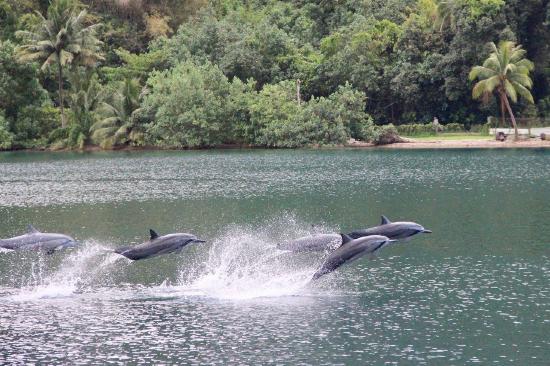 "Dauphins" by zauberfrau_1962, Pixabay is in the Public Domain
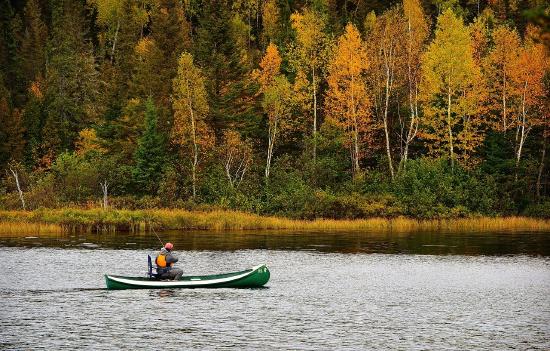 "Pêcheur" by AlainAudet, Pixabay is in the Public Domain
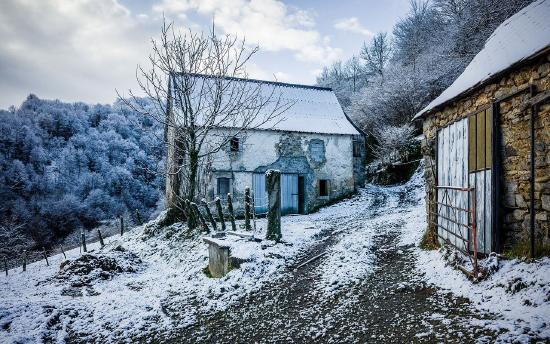 "This work" by Michel Huché, Pixabay is in the Public Domain
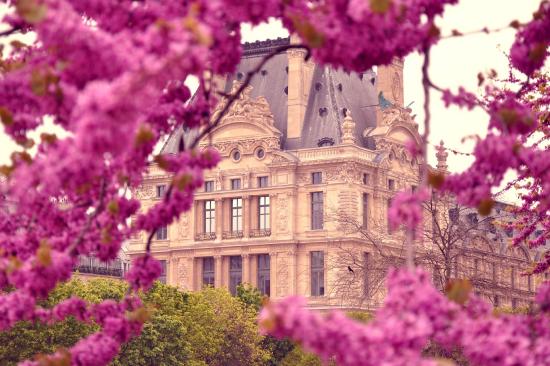 "This work" by Tatutati, Pixabay is in the Public Domain
Francophonie
Activité A
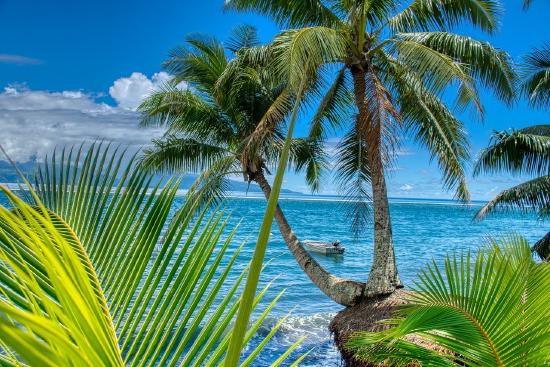
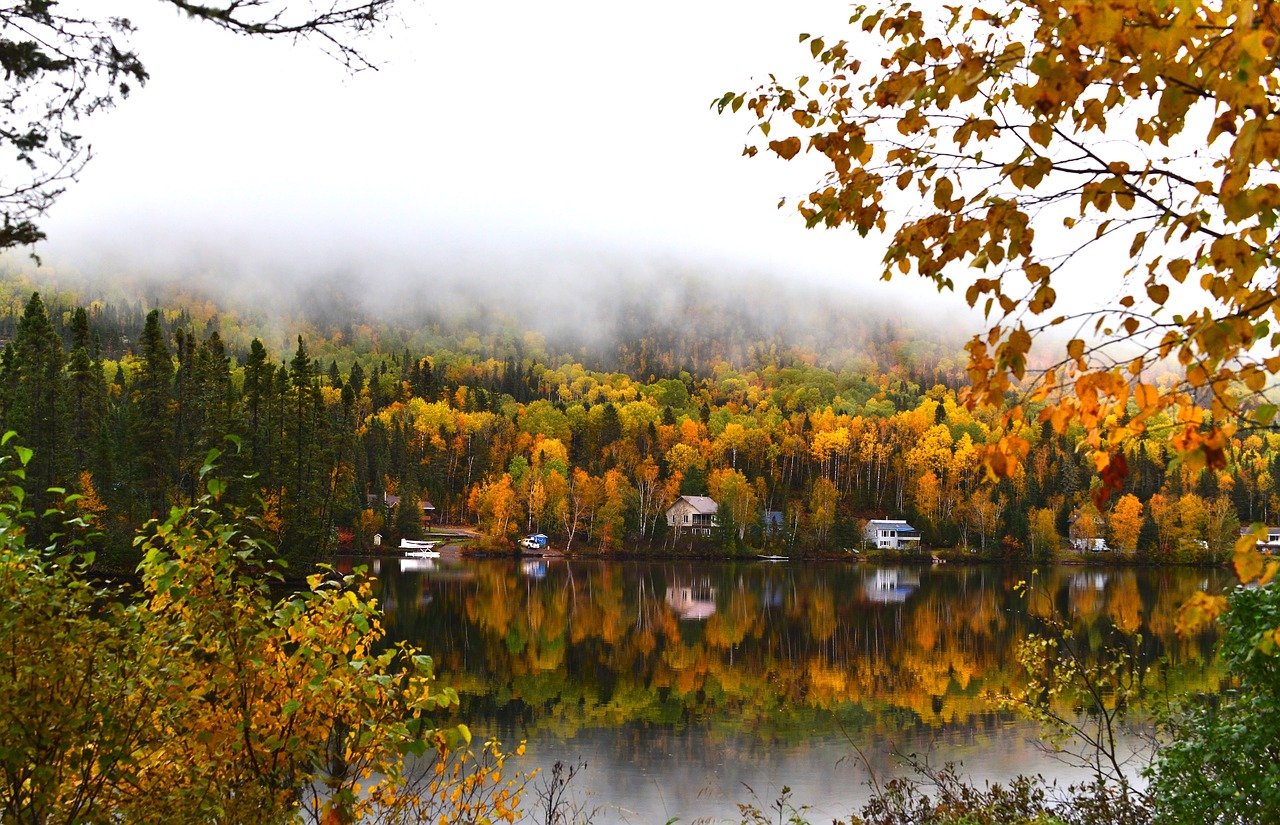
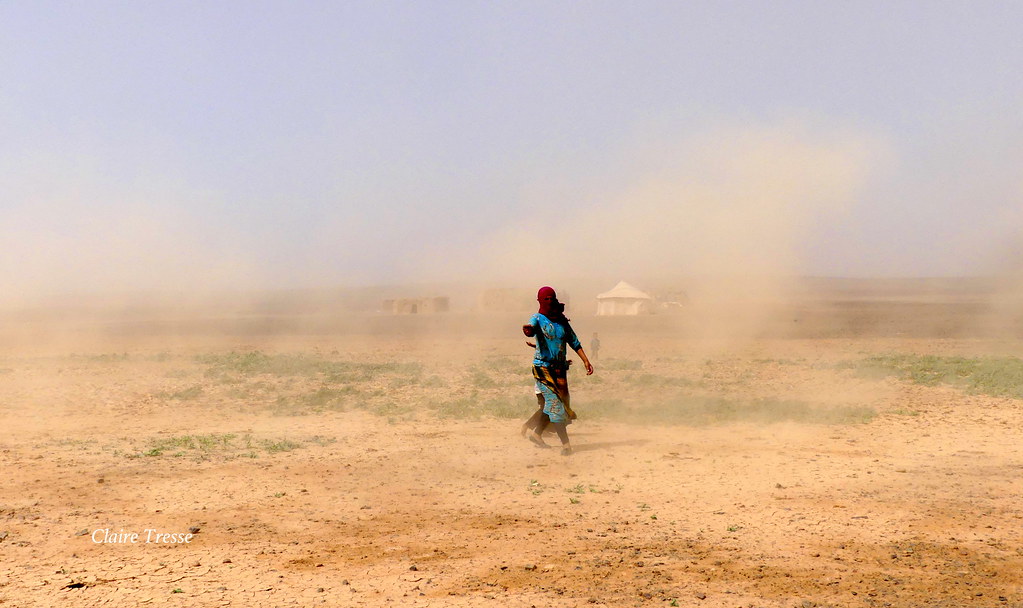
Look at the images of these Francophone countries. Write complete sentences in French to answer the questions in the table.
| Pays | Quel temps fait-il ? | Qu'est-ce qu'on peut faire comme activité ? |
Quelle fête est célébrée ? Comment célèbre-t-on cette fête ? |
|---|---|---|---|
|
"This work" by Wikilmage, Pixabay is in the Public Domain |
|||
|
Tahiti |
|||
|
Le Québec |
|||
|
"This work" by Claire Tresse, Pixabay is licensed under CC BY-NC 2.0 |

Activité B
Répondez aux questions suivantes :
- Quel temps fait-il aujourd'hui ?
- Quel temps fait-il au printemps ?
- Est-ce qu'il neige souvent en Californie ?
- Quand est-ce qu'il pleut à San Diego ?
- Quel temps fait-il en hiver ?
- Quel est votre mois préféré de l'année ?
- Il fait quel temps en été ?
- Quels vêtements est-ce que vous portez en hiver à San Marcos ?
- Quels sont les mois d'été à Madagascar ?
- Quels sont les mois d'hiver à Paris ?
- Combien de saisons y a-t-il à San Diego ?
- Qu’est-ce que vous portez en été à San Diego d’habitude ?
- Combien de mois de pluie y a-t-il à San Diego d’habitude ?
- Pourquoi dit-on « May gray » et « June gloom » ? Quel temps fait-il durant ces deux mois ?
- Pourquoi dit-on « April showers » ?
Activité C
La Suisse
Watch this video about La ville de Genève and put the places below in the order that Alex visits them:
_____Le Port des Mouettes
_____Le Quartier des Grottes
_____La chocolaterie Martel
_____La Place des Nations
_____Le Quartier de Carouge
_____La vieille ville
_____La Promenade de la Treille
Activité D
La Belgique
Watch the video above about La ville de Bruxelles. Can you say where one can do the following in Bruxelles?
- Buy antiques:________
- Buy chocolate:________
- Visit a museum:________
- Eat fries:________
- Play a board game and grab a coffee:________
Activité E
Visite en Tunisie, à Tunis et au village de Sidi Bou Saïd.
Watch this video about Tunis and Sidi Bou Said and put the places below in the order that the guide visits them:
_____Il mange le déjeuner à Tunis.
_____Il dîne dans le restaurant Cnouchou.
_____Il cherche un endroit à Sidi Bou Saïd pour prendre un café ou un sandwich.
_____Il nous montre la ville de Sidi Bou Saïd quand il est dans un café.
_____Il retourne au centre-ville pour regarder un match de foot.
_____Il mange un pain au chocolat et boit un bon café.
_____Il prend un taxi pour Sidi Bou Saïd.
_____Il visite les vestiges de l'empire romain à Carthage.
Activité F
Découvrons la Guadeloupe. Regardez la vidéo et complétez les phrases avec les mots de la liste.
- Pointe-à-Pitre
- eau chaude
- randonnées
- kayak
- marchés
- volcans
- kitesurf
- surf
- plages
- windsurf
- Profitez des___________de la Guadeloupe. Vous pouvez y bronzer ou se promener.
- Dans les montagnes de la Guadeloupe, il y a des___________actifs.
- A la montagne, on peut faire des___________.
- Visitez la capitale,___________pour manger un plat et visiter les___________locaux.
- Grâce à l’activité volcanique, en Guadeloupe, on peut nager dans des sources d’___________.
- A Saint-François, on peut pratiquer du___________ou du___________.
- A Saint-Anne, on peut essayer le___________de mer.
- Dans le spot du Moule, on peut faire du___________.
On approfondit !
Use the following resources to type accents and/or search for words:
- Accents: ç, à, é, è, â, ê, î, ô, û, ù, ë, ï, ü
- Dictionnaire français-anglais